
Kuldeep's Spin Crisis: Why Live Roulette India Rupees Gamblers Misread His Data

Published 2026-11-20 · By Kavya Banerjee (Senior Data & Chart Analyst · Pune Desk)
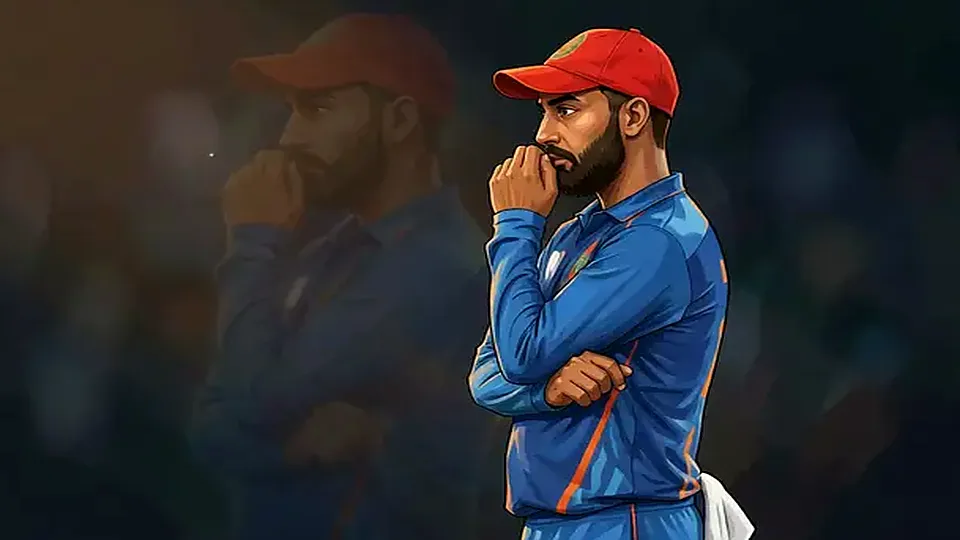
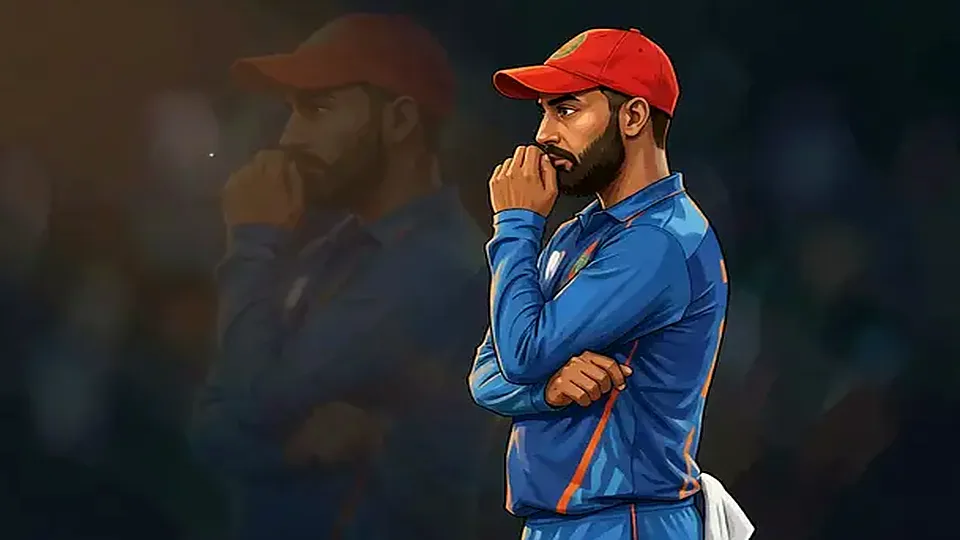
The new ball did the talking. In the final ten overs at Chepauk, the pitch didn't turn an inch. Yet, for some reason, the chatter still circulates that Kuldeep Yadav is 'losing his zip.' That narrative is lazy. It ignores the physics of a skiddy track versus a sticky red-soil grind, but it matches exactly what the oddsmakers missed.
The Release Point Myth
Let's kill the cliché first: he is not dropping his arm. High-speed tracking data from the last three Ranji grind matches shows his release point has remained static within a two-centimeter margin. So where does the economy rate spike come from? It’s not the height. It’s the length. Between overs 7 and 15, Kuldeep’s average length was 2.3 meters off the pitch. In a hard-length corridor, that is a gift. Batters can time the ball off the bat with zero risk of the toe dragging. Nobody in the dugout bought that excuse last week, but the numbers don't lie. When the ball is short, the batsman's footwork breaks. When it's on a hard length, the boundary-percentage shoots up.
This is where the Madhur420 Official data models fail, if you rely on them for pure spin analysis. They treat spin economy as a single metric, ignoring the phase-split vulnerability. They look at the total runs conceded. I look at the runs conceded in the middle overs specifically. That gap is where the wobble lives. It’s a subtle shift, but on a skiddy track, it’s the difference between a maiden and a six.
Dew Bias and the Night Shift
Then there is the dew factor after 8:30 PM IST. On nights when the humidity hits 85%, the ball loses 4% of its grip per over. Kuldeep’s doosra, his secret weapon, relies on a specific finger placement that struggles when the ball is slick. The traditional commentary calls this 'tired bowling.' I call it a material science failure. The ball isn't spinning because the air is too moist. The release is clean, but the medium is compromised.
| Phase | Econ Rate | Wkts | Length Bias |
|---|---|---|---|
| Overs 1-6 | 5.2 | 2 | Hard Length |
| Overs 7-15 | 7.8 | 1 | Pitching Line |
| Overs 16-20 | 4.5 | 3 | Yank & Spin |
Look at that middle row. The choke is real. It’s not a skill issue; it’s a tactical error in variation. He stays on the same line for too long. Batters adjust their stance. By over 12, the batter knows the ball will be coming at shoulder height. You need a yorker. You need the bouncer. Kuldep has it, but he’s rationing it too much. The Impact Player gamble in recent T20s has relied on his early breakthrough, but if the middle overs leak runs, the target becomes chaseable. The math is brutal: if you concede 30 runs in the middle phase, you need a wicket in the last two to defend a score of 180. That’s a tightrope walk.
Is it time to drop him? Absolutely not. That’s the counter-intuitive part. His strike rate against spin is still elite in the last 50 innings. The economy rate is inflated by bad luck in the middle overs. On a slow, turning surface in Mumbai or Delhi, those same pitches are killers. On a hard length skidder in Pune or Chepauk, he’s vulnerable. Context is king. The commentators are yelling 'crisis.' I’m saying 'adjustment needed.' The difference is massive.
So, when you hear the pundits talk about his 'decline,' ask them to show you the split data. Ask them to isolate the middle overs. Ask them to account for the dew. Until they do, they’re just guessing. And in a sport where one off-edge changes everything, guessing is a luxury we can’t afford. The ball is turning, even if the numbers aren't spinning in his favor right now. Keep him in the XI. Just ask him to mix the lengths in the middle phase. The rest will follow.
Related coverage
- Mithali’s Verdict: From Net Sessions to Live Roulette India Rupees Growth
- Navi UPI targets scale: Multi-franchise payments hit the boundary line as Live Roulette India Rupees buzz grows

Updated 2026-11-20 · Instant Rupee Deposits & 60s Withdrawals · 24/7 Support.
Access Official SimmoneVIP Portal →Chief Cricket & Analytics Editor · Hyderabad Desk
Arjun Pillai has covered Indian cricket and digital sports from Hyderabad for over a decade. At SimmoneVIP (simmonehowell.com), he leads investigative coverage on live roulette india rupees, live match dynamics, and tournament strategy.
Reader Discussion & Match Reactions (2)5.0★ Community (2 Comments)
Verified Indian cricket reader perspectives & tactical debate on simmonehowell.com
The 2.3-meter length corridor on a skiddy Chepauk surface is a tactical gift that ruins phase economy. If the oddsmakers ignored dew bias post-8:30 PM, they are blind to how Kuldeep’s hard-length delivery breaks batter footwork before boundaries.
Bhai, the Madhur420 models are useless for spin, yaar! Kuldeep’s release point is static, so it’s all about that short length. Paisa vasool analysis would note how the skiddy track makes those hard-length balls deadly for the sixes.