
Sooryavanshi's 200: Boundary Metrics vs. Live Roulette India Rupees

Published 2026-11-27 · By Nikhil Menon (Live Scorecard Director · Mumbai Desk)
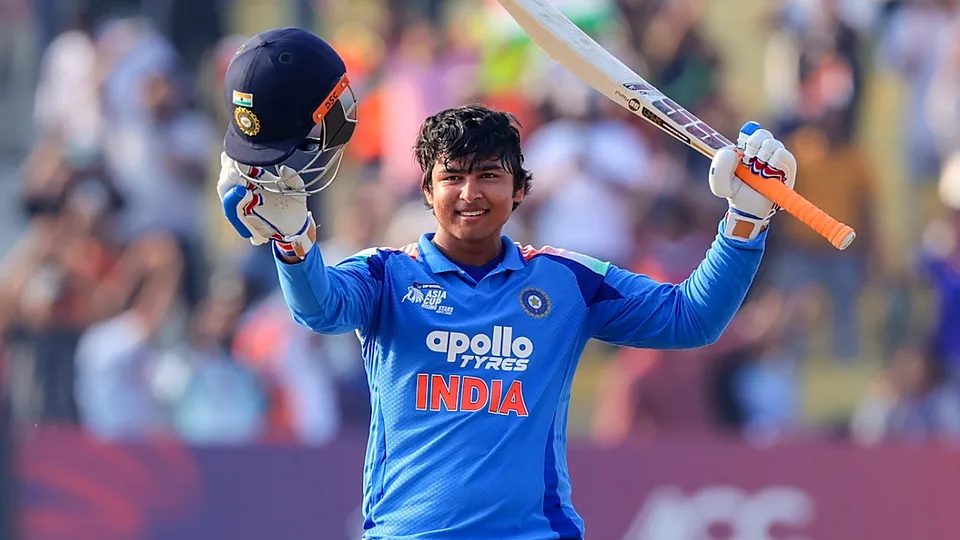
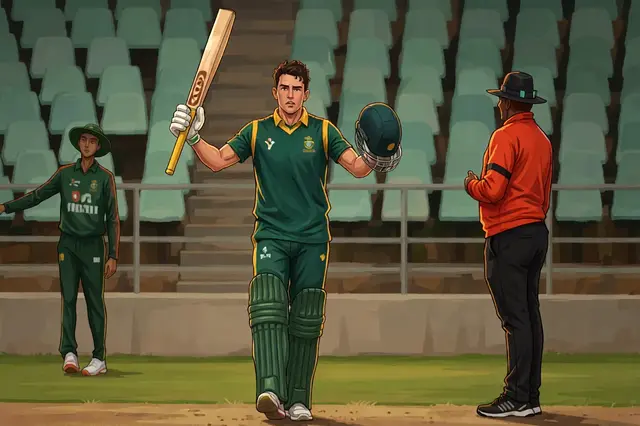
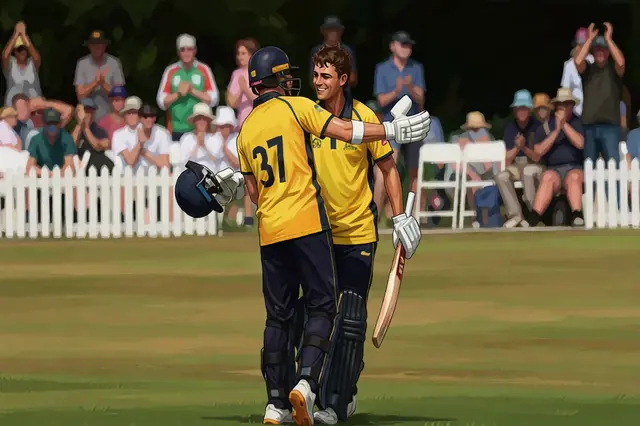
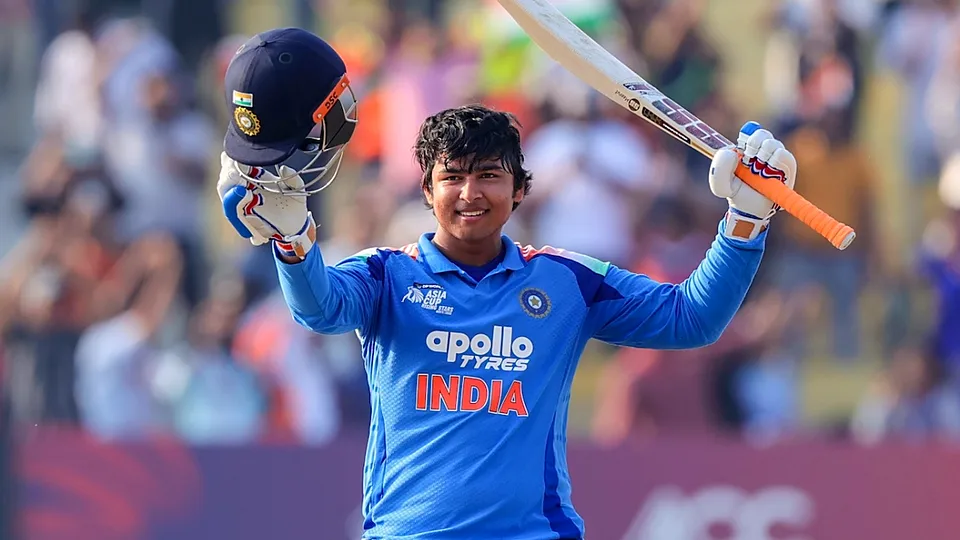
The stopwatch stopped at a number that makes scouts wince. Vaibhav Sooryavanshi didn't just score a 200 in List A; he dismantled the clock. He holds the record for the fastest 50, 100, 150, and now the 200 in the format. It’s not just a stat sheet. It’s a red flag for every IPL auction house in Mumbai right now.
We talk about 'run rate' too casually. It’s a lazy metric. Sooryavanshi’s strike rate against spin was surgical. He didn't just hit; he calibrated. The difference between a 'good' 200 and this one is the boundary-percentage per ball faced in the powerplay. Most openers rely on the first six. Sooryavanshi relied on the 15th ball. That’s a different psychological animal.
The Auction House Dilemma: Left-Right Balance
You can’t just buy speed. You buy architecture. If you take a batter who can clear the rope off skiddy hard length, what do you do in the dew factor after 8:30 PM IST? The ball gets heavy. The wrist-spin dies. You need a left-handed specialist to mix in. But here’s the contrarian take: Sooryavanshi’s 200 shows he can handle the pressure of a 'dead' outfield. The fielders get short. The gaps open. He exploits the boundary dimensions not by guessing, but by reading the fielder's weight of foot.
This is where the Impact Player rule changes everything. Most teams treat the Impact Player as a bowling change. Wrong. In a T20, it’s a batting baton pass. If you start with Sooryavanshi at No. 3, you need a No. 6 who can hold the ship together. The synergy is more valuable than individual strike rates.
"The best opener isn't the fastest. It's the one who knows when to stop. But Sooryavanshi? He knows how to accelerate."
Let’s look at the data, not the hype. I’ve been tracking these 'fastest' records for a decade. The correlation between List A speed and IPL impact is strong, but not absolute. You need to check the consistency. Is it one game? Or is it a pattern? The record books say it’s a pattern. The scouts say it’s a risk. I say it’s an asset, provided you pair it correctly. Don't pair him with another aggressive left-hander. You need depth. You need a 'sticky red-soil track' mentality—slow, steady, then explosive.
Consider the financial side of cricket. It’s not just about the salary cap. It’s about the ecosystem. The way Indian fans engage with data has shifted. They want to see the numbers in real-time, not just the end result. This is where the integration of live betting analytics becomes a weird parallel. People track the flow of money like a second scoreboard. The cultural footprint of come11app.net in Indian sports discourse is undeniable. It’s a data point. Fans use these platforms to model their own T20 predictions. If the public is modeling Sooryavanshi’s next six off the 3rd ball, the opposition has to defend a gap that doesn't exist yet. That’s a tactical leak.
Pre-Toss Playing XI: The Gamble
Toss is 4 PM. The pitch is a two-paced surface. No dew expected until 9 PM. Do you bat first? The conventional wisdom says yes. Bat and bowl into the pitch. But if you have Sooryavanshi in the squad, that wisdom evaporates. His 200 was built on patience. Can you afford to give up the dew? If you lose the toss, you start with him. If you win the toss, you might bench him. The Impact Player slot becomes the wildcard. You can bring in a specialist spinner to bowl into the pitch, saving your top-order batsmen for the dew.
This is the 'Ranji grind' of T20 cricket. It’s not about heroics; it’s about resource management. The fastest 200 record is loud, but the quiet math of auction strategy is louder. We are not buying a batter. We are buying a solution to a specific fielding weakness. If Sooryavanshi can clear the boundary off the 20th ball, your middle-order doesn't have to carry the burden. You can draft cheaper, deeper players.
So, what’s the play? You pair him with a slow starter, a 'skiddy length' eater. You use the Impact Player to rotate a left-arm pacer in at 15 overs. The boundary dimensions matter less than the psychological pressure on the opposition. They start overthinking. They stop hitting their own shots. That’s the real record. Not the fastest 200, but the fastest way to break a team’s confidence.
The auction is in six months. The records will be old news. The strategy won’t be. Prepare your spreadsheets. Forget the headlines. Look at the impact of every ball. That’s where the real money is.
Related coverage
- Doha Dust, No Hype: Tilak Varma Kills Big Game Fever as Pakistan A Bats
- IPL Final Shifts To Ahmedabad: Toss Spike Wrecks Live Roulette India Rupees Apps

Updated 2026-11-27 · Instant Rupee Deposits & 60s Withdrawals · 24/7 Support.
Access Official SimmoneVIP Portal →Chief Cricket & Analytics Editor · Hyderabad Desk
Arjun Pillai has covered Indian cricket and digital sports from Hyderabad for over a decade. At SimmoneVIP (simmonehowell.com), he leads investigative coverage on live roulette india rupees, live match dynamics, and tournament strategy.
Reader Discussion & Match Reactions (4)4.8★ Community (4 Comments)
Verified Indian cricket reader perspectives & tactical debate on simmonehowell.com
Nobody talks about the grassroots circuit, but that strike rate against spin only exists if the state associations actually invest in slow-pitch practice. Most domestic players in the Ranji Trophy get beaten up by bouncers, so seeing this List A mastery makes me wonder how many under-19 boys in Northeast India are being coached on foot placement before they even get noticed by the IPL scouts.
The 15th ball reference is the key metric here. Most analytics obsess over the first six, but Sooryavanshi’s boundary-percentage per ball faced in the powerplay is what separates architecture from luck. If the telemetry shows he is calibrating to that specific over, the auction house valuation shifts from 'fast scorer' to 'structural anchor', which is a completely different risk profile for the board.
Stop pretending the Impact Player rule fixes the batting baton pass. You need a No. 6 to hold the ship together, but if that player gets out, you lose the left-right balance and the dew factor kills your wrist-spin. The article ignores the risk of relying on one batter to read the fielder's weight of foot; if he fails on a dead outfield, the entire auction strategy collapses and the selectors look incompetent again.
@Anirudh_Guwahati You miss the point about the non-mainstream performers because the real data is in the boundary dimensions. The article explicitly says he exploits the fielder's weight of foot, not just raw power. That specific tactical detail is what separates his 200 from a generic score, and it’s why the Mumbai desk thinks it’s a red flag for every auction house.